
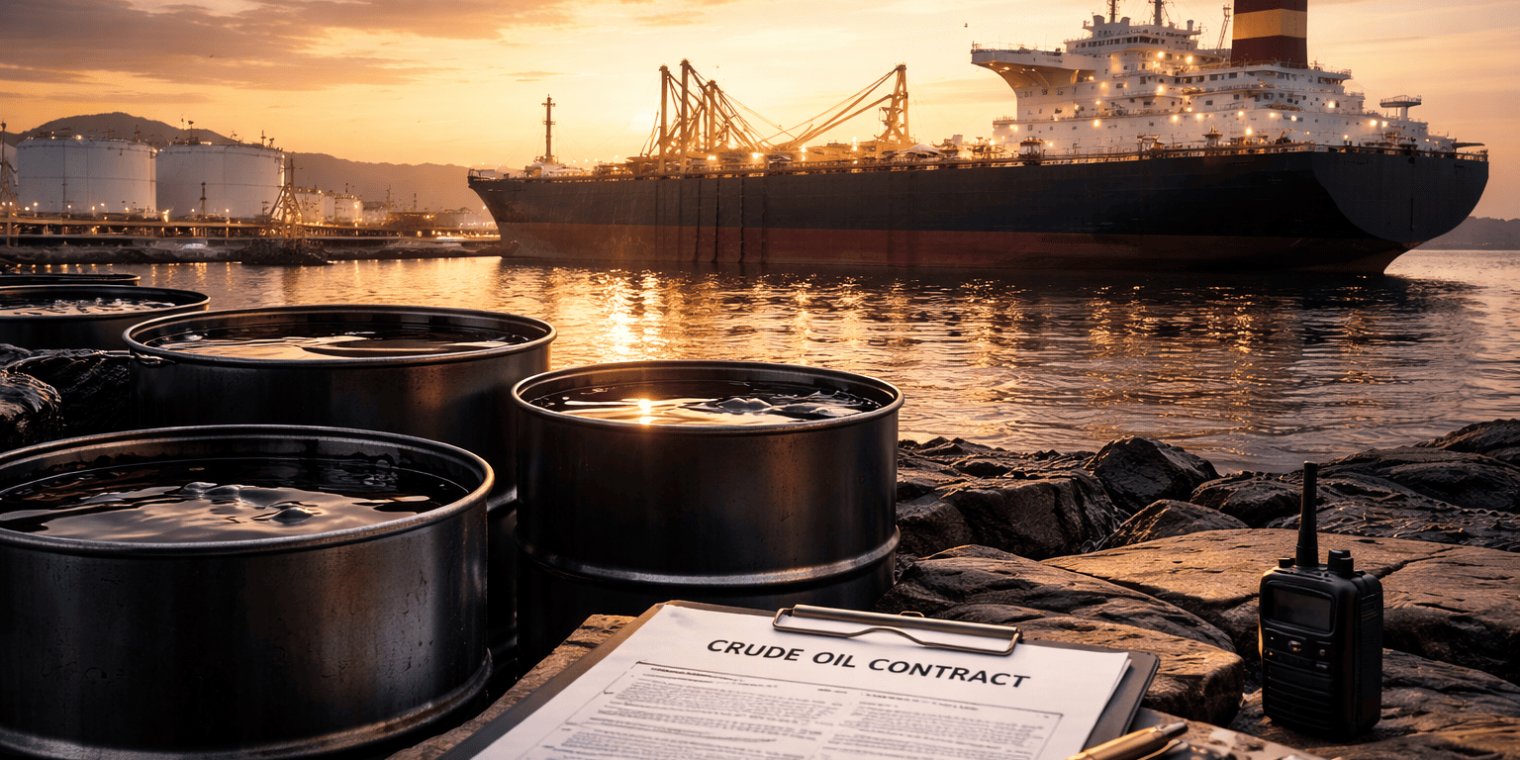
What Is Crude Oil Trading and How It Works in Global Energy Markets
Crude oil trading is the backbone of the global energy economy. It connects oil producers with refineries, governments, and industrial buyers across continents, ensuring a continuous flow of energy resources that power transportation, manufacturing, and electricity generation. Understanding how crude oil trading works is essential for any buyer, investor, or business involved in energy markets.
Crude oil is a naturally occurring, unrefined petroleum product formed over millions of years beneath the Earth’s surface. Once extracted, it is transported to refineries where it is processed into diesel, jet fuel, gasoline, lubricants, and petrochemical feedstocks. The trading process bridges the gap between production and refining by organizing logistics, pricing, documentation, and quality control.
How Crude Oil Is Classified
Crude oil is classified using two main properties: API gravity and sulfur content.
API gravity measures how heavy or light the oil is compared to water. Light crude oils flow more easily and generally produce higher-value refined products. Heavy crude oils are thicker and require more complex refining processes.
Sulfur content determines whether a crude oil is sweet or sour. Sweet crude has low sulfur content and is easier and cheaper to refine. Sour crude contains higher sulfur levels and requires additional treatment to meet environmental regulations.
These characteristics directly affect pricing, refinery compatibility, and buyer demand. Common global crude oil benchmarks include Brent, WTI, Dubai, and Urals, each representing different quality profiles and regional supply dynamics.
How Crude Oil Trading Works
Crude oil trading follows a structured process that ensures transparency and compliance across international transactions.
The process begins with sourcing. Traders work with oil producers, national oil companies, or upstream operators to secure available volumes. Buyers then submit a formal inquiry specifying product type, quantity, delivery location, and preferred Incoterms such as FOB (Free on Board) or CIF (Cost, Insurance, and Freight).
Once commercial terms are agreed, a sales and purchase agreement is executed. This contract outlines quality specifications, payment terms, delivery schedules, and dispute resolution mechanisms. Quality assurance is ensured through independent inspection companies such as SGS, Intertek, or Bureau Veritas, which issue Certificates of Quality and Quantity.
Logistics play a critical role. Crude oil is transported via pipelines, tank trucks, rail, or ocean-going tankers depending on distance and infrastructure. Shipping documentation such as the Bill of Lading, Commercial Invoice, Packing List, and Certificate of Origin ensures smooth customs clearance and payment processing.
Pricing in Crude Oil Trading
Crude oil prices are typically benchmarked against international reference grades such as Brent or WTI, with premiums or discounts applied based on quality, location, and market conditions. Prices fluctuate daily due to supply and demand dynamics, geopolitical risks, production quotas, refinery outages, and currency movements.
Long-term contracts may include fixed pricing formulas or floating price mechanisms tied to published market indices. Spot market trades are more flexible but subject to higher price volatility.
Professional trading firms mitigate price risks through hedging strategies, futures contracts, and structured pricing models that protect both buyers and sellers from extreme market swings.
Risks and Compliance in Crude Oil Trading
Crude oil trading involves several operational and regulatory risks. These include supply disruptions, shipping delays, quality disputes, currency fluctuations, and geopolitical instability. Regulatory compliance is equally important, particularly with respect to international sanctions, environmental regulations, and anti-money laundering requirements.
Reliable trading companies implement strict due diligence procedures, work only with vetted counterparties, and maintain transparent documentation throughout the transaction lifecycle. Independent inspections, escrow payment mechanisms, and legal safeguards help protect all parties involved.
How ODAS Petroleum Supports Crude Oil Buyers
ODAS Petroleum specializes in the sourcing and trading of high-quality crude oil for refineries, distributors, and industrial buyers worldwide. We work with trusted producers and logistics partners to ensure reliable supply chains, competitive pricing, and compliant cross-border deliveries.
Our trading team manages the entire transaction process, from supplier selection and contract negotiation to inspection coordination and shipment tracking. We prioritize transparency, operational efficiency, and long-term partnerships, providing clients with secure access to global crude oil markets.
For current crude oil availability and pricing, contact ODAS Petroleum today.